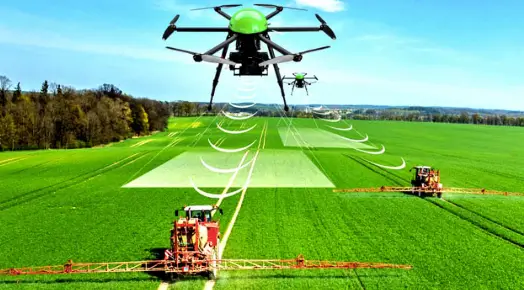
The future of agricultural technology will hinge on autonomous farming, scalable data platforms, and digital agronomy that provide transparent, evidence-based decisions. Real-time AI analysis, sensor networks, and drone-enabled monitoring will optimize inputs, yields, and resource use. Climate-smart practices will bolster water stewardship and soil health, while interoperable data ecosystems enable seamless device and operator integration. Transparent provenance and accountable data governance will shape trust in food systems, inviting stakeholders to scrutinize outcomes as innovations scale.
What Tech Is Driving Next-Gen Agriculture
Emerging technologies are reshaping agriculture by enhancing precision, efficiency, and resilience. The analysis highlights autonomous machinery, data platforms, and digital agronomy as core drivers, enabling scalable management while preserving autonomy.
Controlled experiments validate interventions, ensuring reproducibility.
Soil microbiology insights refine fertilizer and crop-rotation strategies, aligning inputs with ecological health. This approach supports freedom through transparent, evidence-based decision-making and resilient, farmer-centered innovation.
How AI, Sensors, and Drones Elevate Yields
AI, sensors, and drones are accelerating yield optimization by turning field data into actionable insights. In precision farming, real-time imaging, soil sensors, and targeted irrigation align inputs with crop needs, reducing waste and emissions.
Data interoperability enables seamless integration across devices, platforms, and operators, fostering scalable decision frameworks. The approach remains pragmatic, evidence-driven, and oriented toward reliable, autonomous farm progression.
Climate-Smart Practices and Resource Efficiency
The approach emphasizes precision farming to optimize inputs and soil health, while advancing water stewardship through efficient irrigation and runoff control.
This pragmatic, forward-thinking stance supports resilient farms, scalable adoption, and measurable environmental benefits.
Building Connected, Transparent Food Systems
Building Connected, Transparent Food Systems hinges on interoperable data, traceable supply chains, and verifiable provenance to reduce risk and boost trust across stakeholders. Data governance enables accountable sharing, while supply chain traceability clarifies origins. Urban farming expands localized resilience, and precision irrigation optimizes water use. This approach supports scalable, transparent markets, empowering stakeholders with evidence-based decisions and sustained, freedom-centered innovation.
Frequently Asked Questions
What Are the Barriers to Adoption for Small Farms?
Adoption barriers for small farms arise from limited capital, uncertain ROI, and fragmented advisory networks; small farm constraints include scarce scale economies, software usability gaps, upfront hardware costs, and risk aversion, requiring targeted financing, training, and value-driven, data-backed support.
How Will Policy Shape Future Agricultural Tech Investment?
Policy subsidies will steer investment, balancing market uncertainty with targeted funding, while data ownership norms and ethics frameworks guide responsible deployment; proponents seek freedom through transparent incentives, measurable outcomes, and adaptable governance that aligns innovation with broader farming autonomy.
See also: The Future of Space Technology Exploration
What Is the Return Timeline for Farmers Using New Tech?
Approximately 3–7 years is typical for many farmers to realize positive return timelines; technology ROI varies by crop and scale, but data-driven trials show breakeven within this window, with longer horizons possible for complex automation and data integration.
Who Controls Data in Digital Farming Ecosystems?
Data sovereignty denotes farmers owning and controlling their datasets; platform governance defines who can access, how data is shared, and how stewardship is enforced, ensuring transparent, interoperable rights. This pragmatic approach emphasizes autonomy, trust, and scalable decisions.
How Will Consumer Data Privacy Be Protected in Food Systems?
Privacy governance and data ownership will frame protections; robust, interoperable standards enable consented data use and transparent audits, while empowering individuals and communities to negotiate terms, ensure traceability, and pursue redress in food systems.
Conclusion
The trajectory of agricultural tech emphasizes autonomous systems, scalable data platforms, and transparent governance to drive evidence-based farming at scale. Real-time AI, sensor networks, and drone monitoring will continuously optimize inputs, uplift yields, and conserve resources, while interoperable ecosystems reduce friction across operators. A hypothetical case: a regional farm network pairs soil and moisture data with predictive irrigation, cutting water use by 30% and boosting tomato yields by 12% over a growing season, with traceability from field to fork.
